

Geneva Watch Days 2026: the independent alternative to the grand salons
Geneva Watch Days 2026 runs from 2 to 6 September, bringing together approximately 65–70 watchmaking Maisons across the Swiss city in a format that puts collectors and press on equal footing. If Watches and Wonders is the established grand salon, GWD is the week when independents own the room.
 Geneva city watch event September 2026 independent watchmaker exhibition editorial detail moody lighting
The Swiss watch industry operates on two distinct rhythms. There is the spring season, anchored by Watches and Wonders in April, and the autumn close, defined by Geneva Watch Days in September. Between those two dates, the industry resets, refines, and decides what it still has to say.
Geneva Watch Days 2026 is described by its organisers as global, decentralised, self-managed, and open to the public. That language is deliberate. It positions GWD as a structural alternative to the invitation-only model that has historically favoured press from major outlets and buyers from approved retail accounts.
Watches and Wonders 2026 closed its doors on 20 April. By the time GWD opens on 2 September, the industry will have had four months to absorb the spring announcements, place orders, and identify what the year still needs. That gap makes GWD a genuine second chapter, not a postscript.
From SIHH rebel to September institution: the history of Geneva Watch Days
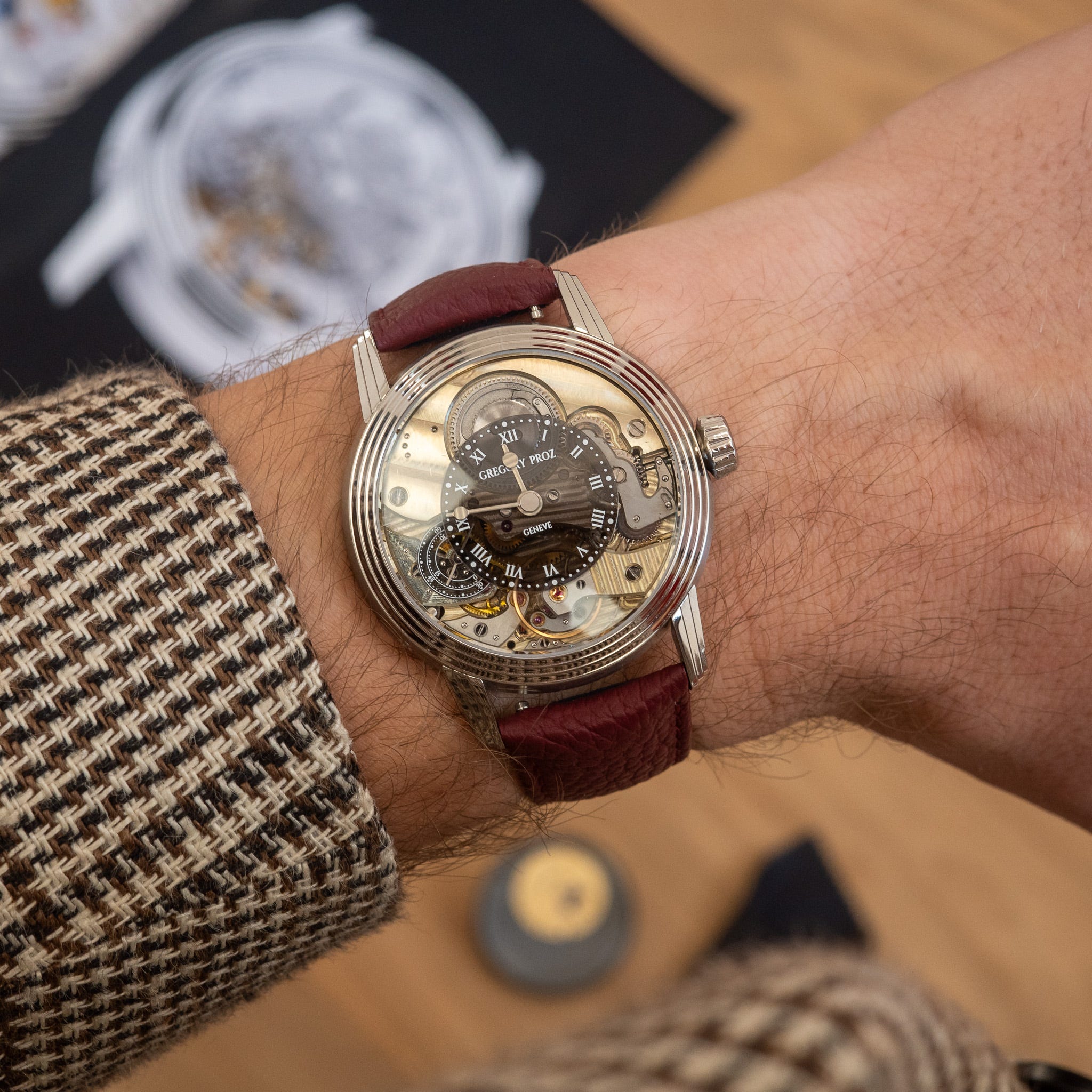
Geneva Watch Days was not planned. It emerged in 2020 as an emergency response to two simultaneous crises: the collapse of Baselworld and the restructuring of SIHH into what became Watches and Wonders, a format anchored by Richemont group brands.
Brands outside the Richemont orbit found themselves without a credible platform. The invitation-only structure of the new W&W format, combined with Baselworld’s implosion, left a significant portion of the Swiss industry with no major fair to call home. The solution was improvised, and that improvisation became GWD’s founding character.
The event’s architecture was deliberately simple: each participating brand would host press and public at its own Geneva boutique, showroom, or rented venue rather than sharing space in a single convention hall. That decentralisation was initially born of necessity, but it quickly became a competitive advantage.
By 2026, Geneva Watch Days had grown from a pandemic-era workaround to a 65–70 brand institution — one of the most significant expansions in the short history of modern watch fairs.
Between 2023 and 2024, the participant count crossed 40 brands. By 2025 and into 2026, that figure had risen to approximately 65–70 Maisons. The growth reflects genuine appetite for what GWD offers, not merely the absence of alternatives.
Culturally, GWD has become what many in the industry now call independents’ week. Brands such as F.P. Journe, MB&F, Urwerk, De Bethune, and HYT treat it as their primary annual launch platform. For these makers, the boutique-by-boutique format is a natural fit: it mirrors how they sell, how they communicate, and how they prefer collectors to experience their work.
The September timing is not accidental. Closing the watch industry’s annual calendar means GWD gets press attention that is fully focused on what is in front of them, rather than split between a hundred booths at Palexpo. Editors who spent April processing Cartier and Rolex announcements are ready, by September, to give the independents the space they deserve.
The open-to-public model, even with some boutique appointments required, gave GWD a grassroots credibility that larger corporate salons find difficult to replicate. Walking into an F.P. Journe atelier during GWD is a different experience from viewing the same watch behind glass at a convention stand.
Geneva Watch Days 2026 vs Watches and Wonders: key differences at a glance

The two events serve different audiences, feature different brands, and operate on fundamentally different models. Here is how they compare directly.
| Category | Geneva Watch Days 2026 | Watches & Wonders 2026 |
|---|---|---|
| Dates | 2–6 September 2026 | 14–20 April 2026 |
| Location / Format | Decentralised — boutiques and venues across Rive Gauche and Rive Droite | Single venue — Palexpo convention centre, Geneva |
| Brand Profile | Independents, micro-brands, non-Richemont Swiss houses | Richemont brands (Cartier, IWC, Panerai, Rolex, Tudor) plus invited partners |
| Public Access | Broadly open — most events free, some require advance registration | Primarily trade and press; three public days at the end of the run |
| Ticket Cost | No central ticket — brand events are generally free to the public | Public day tickets required for consumer access |
| Typical Highlights | Tourbillons, high complications, dial material innovation, GWD-exclusive references | Flagship new references from Rolex, Cartier ultra-thin dress watches, IWC pilot variants |
The structural difference has practical consequences. Attending GWD means planning a bespoke city itinerary rather than walking the floor of a single hall. That suits collectors who know exactly which brands they want to see, and gives newer enthusiasts a reason to explore the city alongside the watches.
Access is genuinely democratic in a way that W&W is not. A collector who books boutique appointments at three or four GWD brands in advance can have the same quality of access as a veteran press contact.
Which brands are confirmed for Geneva Watch Days 2026?
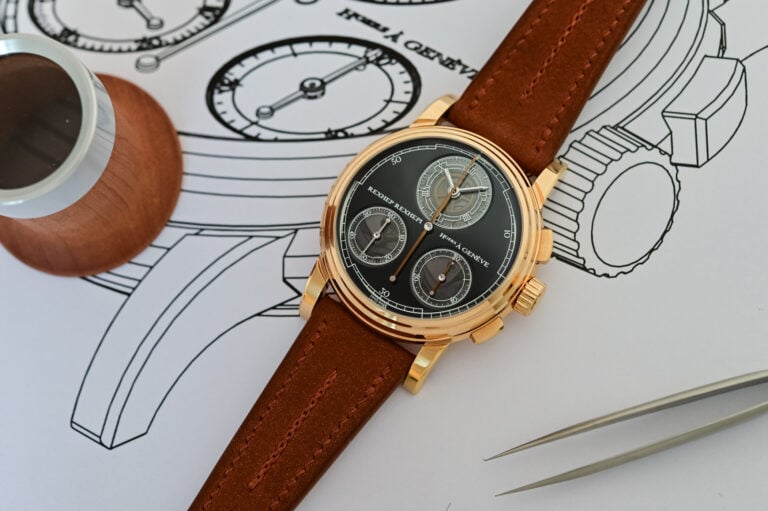
Around 65–70 Maisons are expected to exhibit at Geneva Watch Days 2026, making it the largest edition to date. The roster breaks broadly into three camps: fixture independents, mid-tier Swiss houses, and first-time or returning participants from outside Switzerland.
| Brand | Category | GWD Editions (History) | 2026 Status |
|---|---|---|---|
| F.P. Journe | Independent | 2020–2025 | Confirmed |
| MB&F | Independent | 2020–2025 | Confirmed |
| Urwerk | Independent | 2020–2025 | Confirmed |
| De Bethune | Independent | 2021–2025 | Confirmed |
| Greubel Forsey | Independent | 2021–2025 | Confirmed |
| HYT | Independent | 2022–2025 | Expected |
| Armin Strom | Independent | 2020–2025 | Expected |
| Bovet | Mid-tier Swiss | 2021–2025 | Expected |
| Carl F. Bucherer | Mid-tier Swiss | 2022–2025 | Expected |
| Favre-Leuba | Mid-tier Swiss | 2023–2025 | Expected |
| Japanese/German independents (new) | Independent | First edition | Expected (first-timers) |
F.P. Journe, MB&F, Urwerk, De Bethune, and Greubel Forsey are the brands for whom GWD is the year’s primary showcase. Their participation is the anchor around which the rest of the event builds. If you only have two days in Geneva and need to prioritise, build your itinerary around these five first, then fill gaps with the mid-tier houses.
Mid-tier Swiss houses such as Bovet, Carl F. Bucherer, and Favre-Leuba have found GWD particularly useful as a way to reach international press without the substantial expense of a full Palexpo stand. For brands at that scale, the boutique-hosted model makes obvious financial sense.
Some brands participate in both W&W and GWD in the same year. The two events are not mutually exclusive, and brands that showed flagship references at Palexpo in April often use September to reveal additional colourways, limited series, or technical variations that would have been overshadowed in the spring context.
The 2026 edition is expected to include several Japanese and German independent makers joining for the first time. GWD’s stated global ambition has been consistent since the 2022 edition, and the September 2026 roster is shaping up to be the most internationally diverse yet.
For collectors who pick up a new leather-strapped piece during the week, a quality steel pin buckle compatible with 22mm straps is a practical first accessory for many independent pieces worn on leather — and far easier to source than waiting on a brand’s own after-sales department.
What new watches to expect at GWD 2026: launches and previews

This is where GWD gets genuinely interesting. Predicting specific references from independent brands is a fool’s errand — reputable GWD exhibitors rarely pre-announce anything. But history reveals the shape of what September tends to bring, and 2026 follows a clear pattern.
GWD has historically been the venue where independents show the technically ambitious pieces that would be overshadowed at Palexpo. Tourbillons, flying seconds, dead-beat mechanisms, and multi-axis escapements are not unusual sights. In the boutique environment, a watchmaker can explain a complication face-to-face rather than competing with a neighbouring stand’s marketing noise.
Watches and Wonders 2026 leaned heavily on thinner dress watches across several major houses. GWD 2026 is likely to push back. Complex, expressive, and intentionally sculptural case forms tend to dominate the September agenda when the spring has been formal and flat.
Dial material experimentation has been a GWD signature since the 2021 edition. Meteorite, volcanic stone, hand-engraved enamel, and aventurine have all made debuts on the boutique circuit that would have been unlikely at a corporate salon.
Several brands have historically reserved a second drop specifically for GWD, aware that the press corps in September is fully focused on independents rather than splitting attention with conglomerate flagships. That strategic use of the calendar is expected to continue in 2026.
Limited editions tied to the event itself have appeared in previous years. Some brands have produced pieces available only to collectors who attend in person during the week. Whether that practice extends to 2026 is unconfirmed, but the precedent is firmly established.
For enthusiasts following from a distance, the first three days of September tend to generate the strongest wave of new reference announcements. By Friday and Saturday, brands shift into hosting mode, and the launches give way to deeper conversations about allocation and craft.
How to attend Geneva Watch Days 2026: a practical guide

If you’re planning your first GWD visit, the most common mistake is approaching it like a trade fair. There is no single hall to enter, no wristband to collect, and no floor plan to download. The experience is built around the city itself.
Geneva is straightforward to reach via Geneva Airport, which sits almost inside the city boundary. Direct trains run to Geneva Cornavin central station in under ten minutes. Most brand venues are within walking distance of each other in the central districts, or a short tram ride apart. One practical detail worth knowing: your hotel stay automatically includes a free Geneva Transport Card covering buses, trams, and lake boats, so cross-city movement between venues costs nothing once accommodation is sorted.
Most brand events require advance registration, either through the brand’s own website or via the official GWD platform, which publishes a brand map and full event schedule in the weeks before opening. Walk-ins are possible at some boutiques, particularly for larger events and open-door afternoons, but appointment slots for new release previews fill quickly.
- Register for boutique appointments as early as possible. Popular independents fill their preview slots weeks in advance.
- Use the official GWD brand map to plan a logical geographic route across Rive Gauche and Rive Droite each day.
- Build in margin. Conversations at boutiques often run longer than expected, and those conversations are frequently the most valuable part of the visit.
- Dress smart-casual for daytime events; some ateliers hosting evening presentations expect business formal.
Wednesday and Thursday tend to be the most press-focused days. Friday through Sunday the balance shifts toward collectors and the general public. For those primarily interested in spending time with watchmakers rather than competing with media for access, the weekend days can actually be more rewarding.
The role of independent watchmakers in modern horology
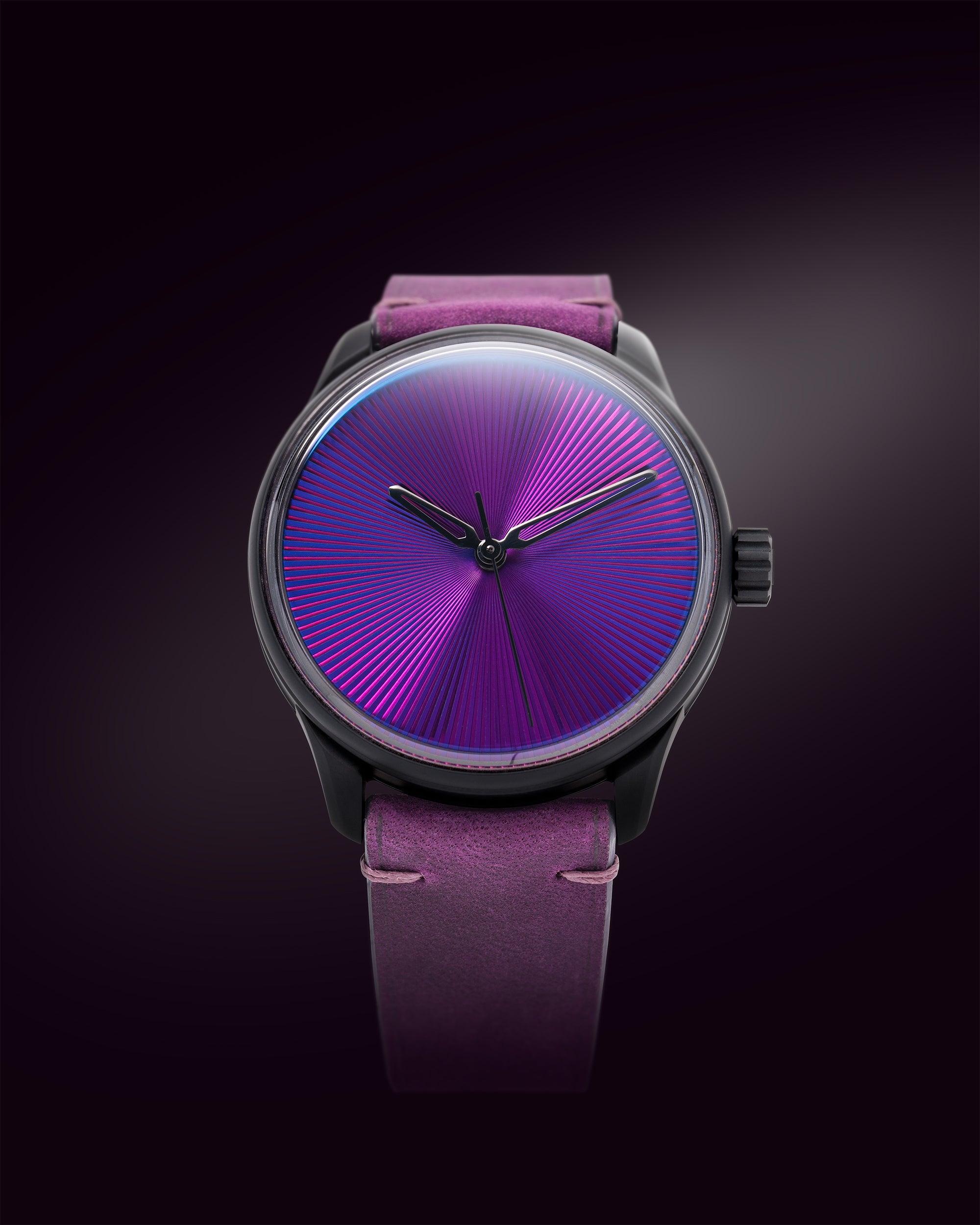
Geneva Watch Days exists because independent watchmakers need a platform. But the event also exists because the independent sector has earned one, through decades of technical and aesthetic contributions that the major groups have consistently followed rather than led.
The Académie Horlogère des Créateurs Indépendants, the AHCI, was founded in 1985 and has long championed makers operating outside the conglomerate structure. Many GWD regulars are AHCI members, and the organisation’s ethos — craft over commerce, production quality over volume — mirrors GWD’s own stated values.
Production scale among the most technically ambitious GWD exhibitors is genuinely small. Annual output under 500 pieces is common. Some makers produce fewer than 100 watches per year. That scarcity is not artificial: it reflects the time required to hand-finish movement bridges, develop proprietary escapements, and maintain direct relationships with collectors rather than routing through large retail networks.
Several complications now mainstream in luxury watchmaking were pioneered or commercialised by independent makers before the groups adopted them. The co-axial escapement, silicon hairspring technology, and various flying tourbillon configurations all moved from independent ateliers to larger production houses over time.
- F.P. Journe’s resonance movement concept directly influenced how the industry thinks about mechanical regulation.
- MB&F’s machine-concept architecture pushed the boundaries of how a wristwatch case could be conceived.
- Urwerk’s satellite-complication approach to displaying hours has inspired numerous adaptations across the broader industry.
Resale dynamics have increasingly validated the independent sector. F.P. Journe in particular has demonstrated on the secondary market that craft credibility and production scarcity can outperform even Rolex on certain references, when the collector base is engaged and the watchmaking is genuinely differentiated. The Chronometre Bleu is the obvious example, but the pattern holds across much of the range.
For collectors pairing an independent piece with an aftermarket buckle, finishing a leather strap properly is a straightforward way to honour the calibre of the watch itself. A well-chosen buckle in the correct width is worth five minutes of research before ordering.
Caring for a new acquisition: parts, straps, and accessories after the show
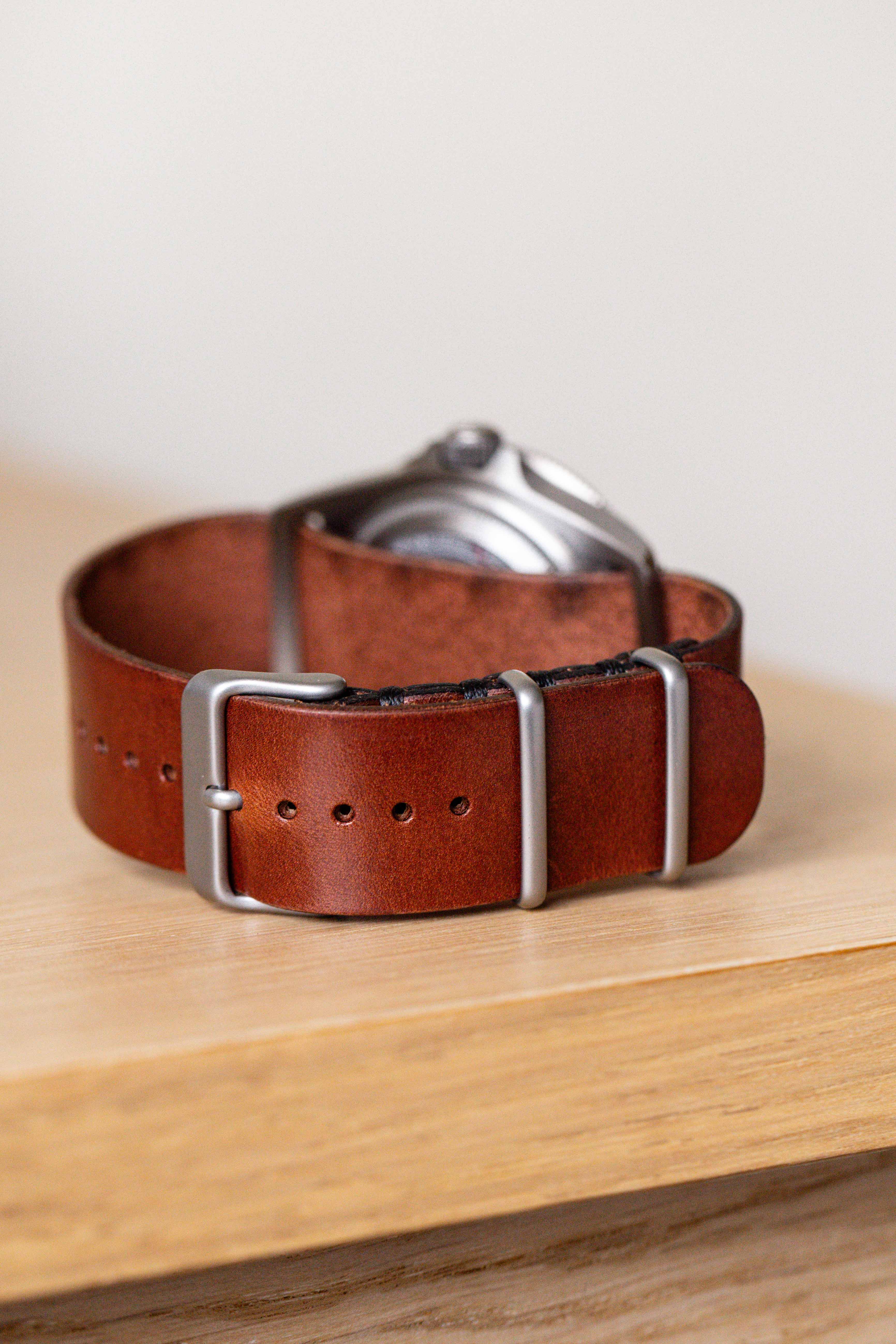
Most independent brands shown at GWD supply their watches on leather or exotic straps rather than bracelets. Producing a quality in-house bracelet at small volumes is expensive, and a fine leather strap suits the dress-oriented context in which many independent pieces operate.
The consequence is that aftermarket strap and buckle sourcing becomes relevant almost immediately after purchase. When the original strap shows wear, or when a collector wants a different aesthetic, the brand’s own after-sales department may have a wait time measured in weeks. An established parts supplier is often the faster route.
Lug widths of 20mm and 22mm are the most common across independent pieces regularly shown at GWD. Confirming the exact lug width before ordering any aftermarket strap or leather strap replacement avoids the most common fitment error among new collectors. One further detail: buckle width should match the strap’s tail taper, not the lug end — that distinction trips up a surprising number of first-time buyers.
For independent and generic brands, branded buckles are often difficult to source quickly, particularly at less-common lug widths. A quality generic steel pin buckle in the correct width is secure, low-profile, and entirely appropriate for a dress strap context.
Parts and accessories for your independent watch

Parts for Watch stocks a range of components suited to independent and generic pieces, from leather straps compatible with a wide range of lug widths to the closure hardware that finishes the pairing properly.
- Custom steel pin buckle, 22mm (Panerai / generic compatible) — Steel construction, engraved finish, pin mechanism suited to daily wear without the bulk of a deployant clasp. At €19.99, a cost-effective upgrade over worn OEM hardware on any pre-owned independent piece.
- Leather straps for generic watches — A broad selection compatible with independent watch lug widths. Check sizing carefully: 20mm and 22mm are the most common across GWD regular brands.
- NATO and nylon straps for generic watches — For a casual second pairing on sports-oriented independent pieces, a quality nylon strap is a practical and affordable option.
- Rubber straps for generic watches — Some GWD independents, particularly those with sports or avant-garde orientations, suit a rubber strap for everyday resilience.
- Crowns and pushers for generic watches — Replacement crowns and pushers useful when original components show wear on pre-owned independent acquisitions.
- Steel bracelets for generic watches — For independent pieces that suit a metal bracelet, generic steel options provide a cost-effective alternative to brand-sourced hardware.
Frequently asked questions

When is Geneva Watch Days 2026?
Geneva Watch Days 2026 takes place from Wednesday 2 September to Sunday 6 September 2026. The event spans five days across multiple venues in Geneva, Switzerland, closing the watch industry’s annual fair calendar.
Is Geneva Watch Days 2026 open to the public?
Yes. The event is designed to be publicly accessible. Most brand events are free to attend, though some boutique presentations and seated previews require advance registration through the brand’s own website or the official GWD platform. Walk-ins are possible at many locations, particularly from Friday onwards.
How many brands are participating in Geneva Watch Days 2026?
Approximately 65–70 watchmaking Maisons are expected to exhibit, ranging